
Wildlife Focused Studies | Wildlife-viewing through Webcams
Research
Explore.org partners are using their live cameras to gain a deeper understanding of our world. These papers will help further the cause of conserving and protecting animals and the landscapes they call home.
Wildlife Focused Studies
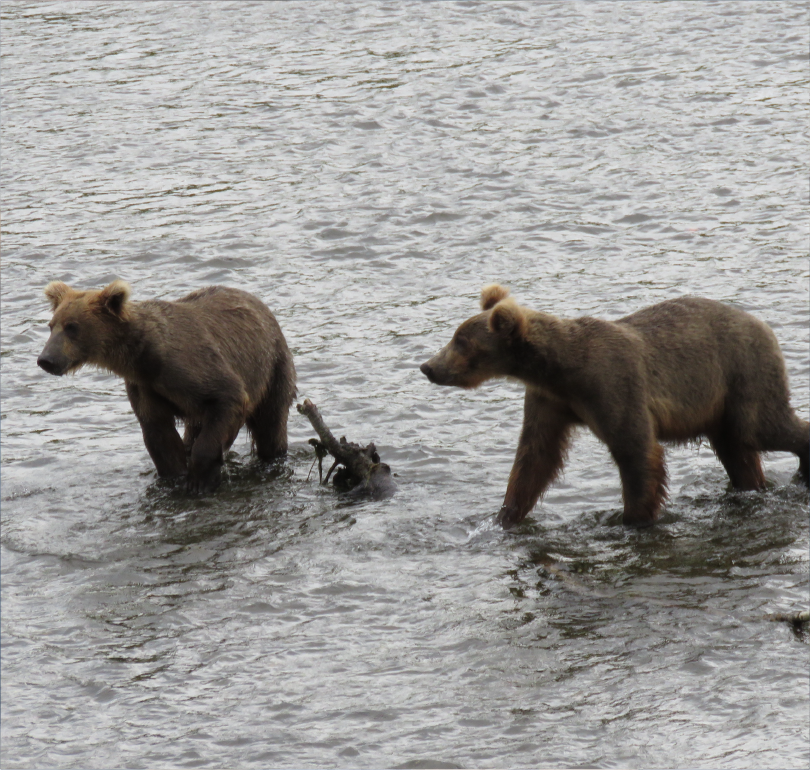
(2025) Bonding behavior of sister brown bears with different-aged offspring
Authors: Michael Fitz
This paper documents and describes the behavior of 2 sibling female brown bears (Ursus arctos) and their cubs as they bonded at Brooks River in Katmai National Park, Alaska, USA. Between mid-August and October 2022 the adult female bears and their cubs behaved much like a single family. The same-aged mothers each had a single cub. One cub was a first-year cub and the other was a yearling (second-year) cub. The mothers and their cubs frequently traveled, foraged, and played as a single group.”
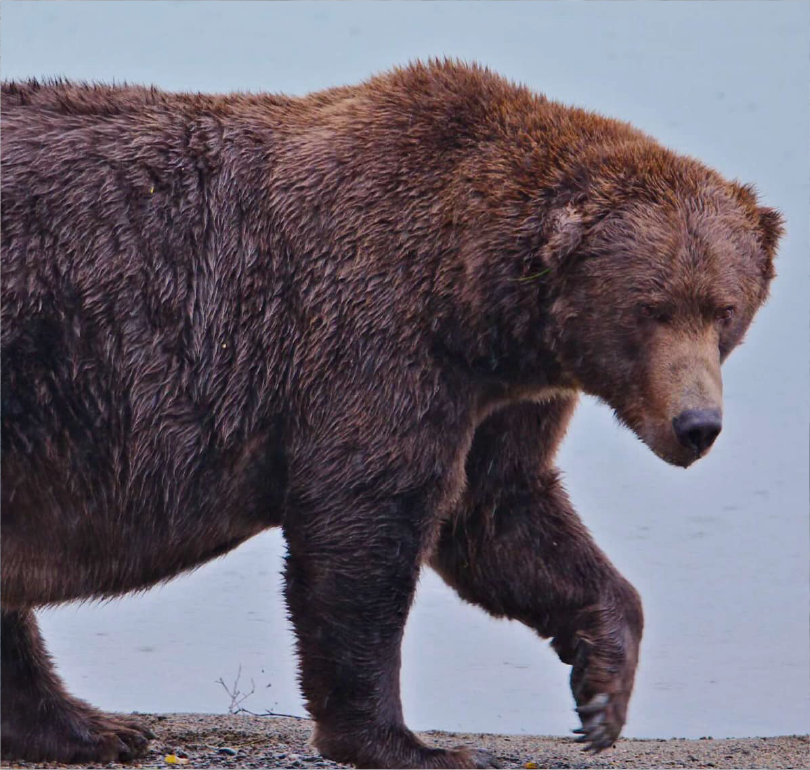
(2024) Bearly Recognizable: Facial Recognition and the Wild
Authors: Emily Wanderer
This essay explores the role and implications of AI and machine learning technology on the study of wildlife such as brown bears with a specific focus on the BearID project. Knowing bears as individuals changes our relationship with bears. The author explains how AI is a human social construction with the potential to alter our relationship, perceptions, and engagement with wildlife.”
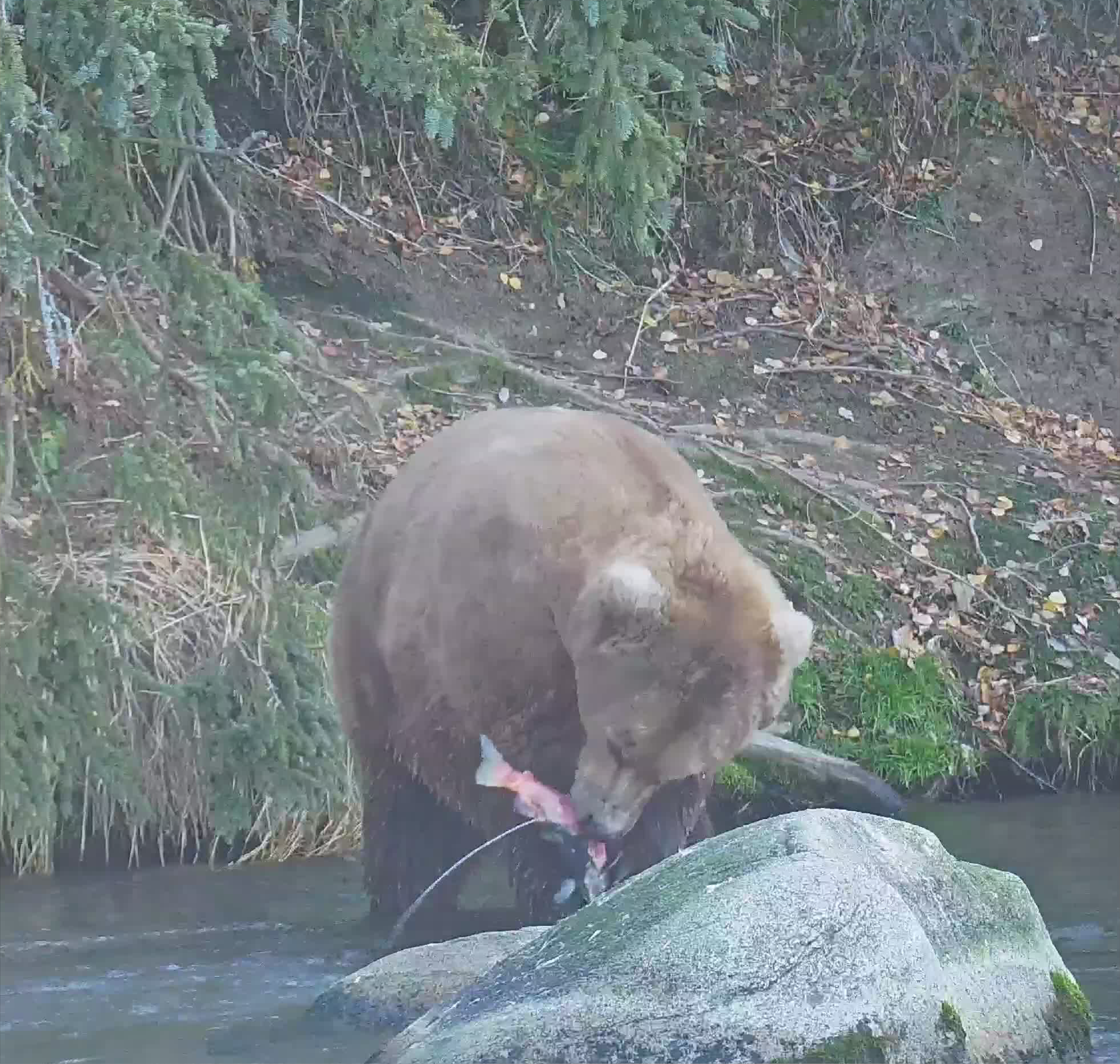
(2024) Handedness of brown bears aggregating in Katmai National Park, USA.
Authors: Marley Held-Wilson and David J. Delehanty
Might bears be left or right-handed? By observing brown bears at Brooks River in Katmai National Park through explore.org webcams, the authors of this study found that bears “exhibited a significant propensity for handedness.” The observed bears used their right forelimb (arm) more often than their left to swat at another bear during social interactions (play and/or fighting). They conclude, “A broader investigation of handedness in brown bears should yield insight into the neural underpinnings of brown bear behavioral complexity.”
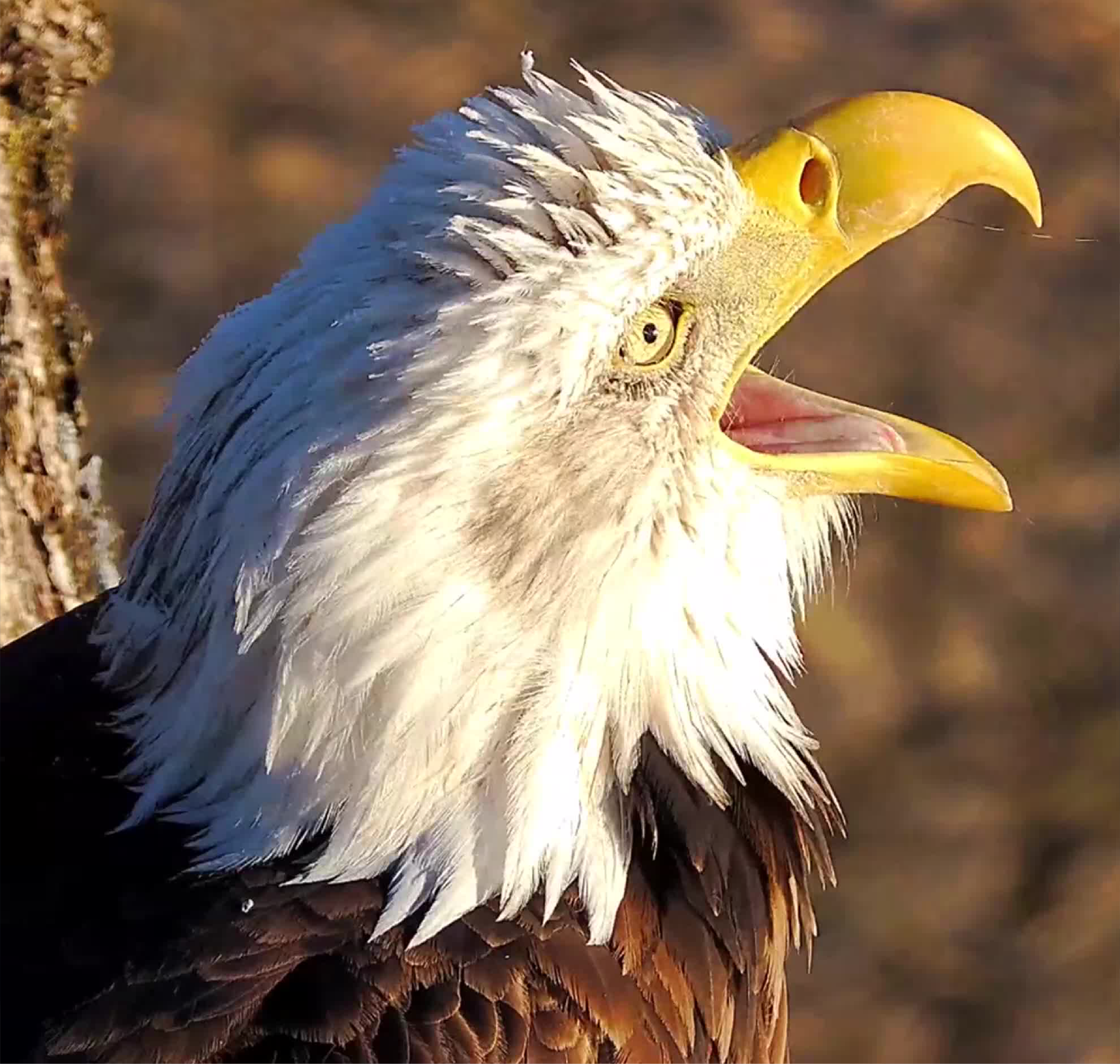
(2024) Raptor Resource Project 2024 Monitoring Report
Authors: Raptor Resource Project Staff
This report documents the nest monitoring and research conducted by the Raptor Resource Project. The report focuses on bald eagles, American kestrels, and peregrine falcon nests in Colorado, Iowa, Minnesota, and Wisconsin. It also includes information on the Raptor Research Project’s banding and research efforts.
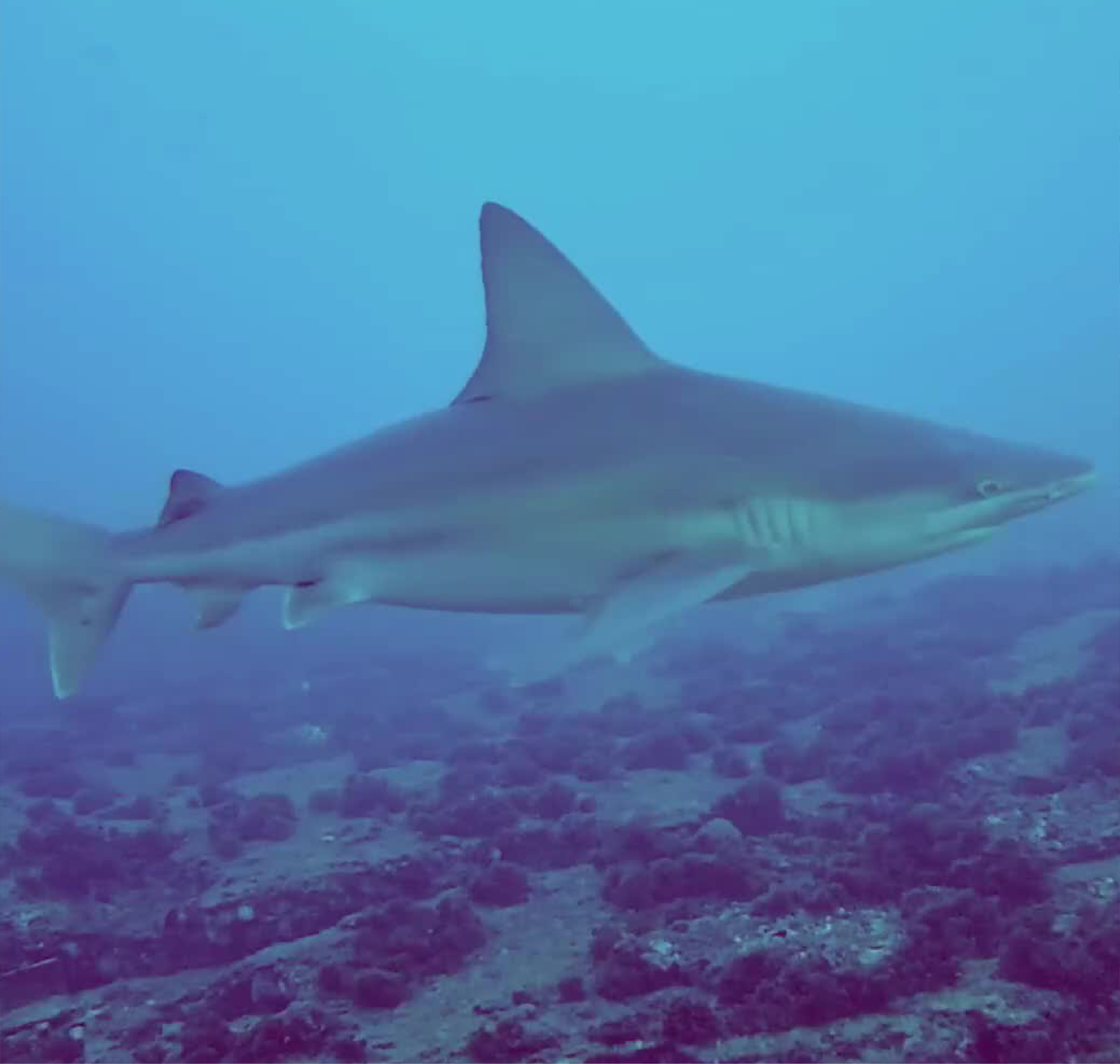
(2024) Community science informs movement and reproductive ecology of sand tigers Carcharias taurus off North Carolina, United States of America
Authors: Carol Seals Price, Ara Lupton McClanahan, Erin J. Burge, Tanya Houppermans, Jason Holmberg
We identified shipwrecks or artificial reef sites with consistently high numbers of shark encounters reported, sometimes with seasonal occupancy patterns. Resighted sharks were often encountered at the same or nearby locations, confirming high levels of residency and site fidelity to specific locations. Together, the mating scars seen on 121 female sand tigers and 202 females documented with rotund abdomens consistent with pregnancy highlight the importance of NC waters for reproduction. We also quantified other characteristics of the sand tigers visible in the photographs including wounds, parasitic copepods, and attached fishing gear. Our results reflect the importance of habitats off the NC coast to the movement and reproductive ecology of sand tigers at multiple life history stages. Sand tiger populations have declined in the Northwest Atlantic, so information about residence at specific locations, seasonal patterns of occupancy, and sex-dependent behaviors associated with migration and reproduction are important to future management and conservation of the species.
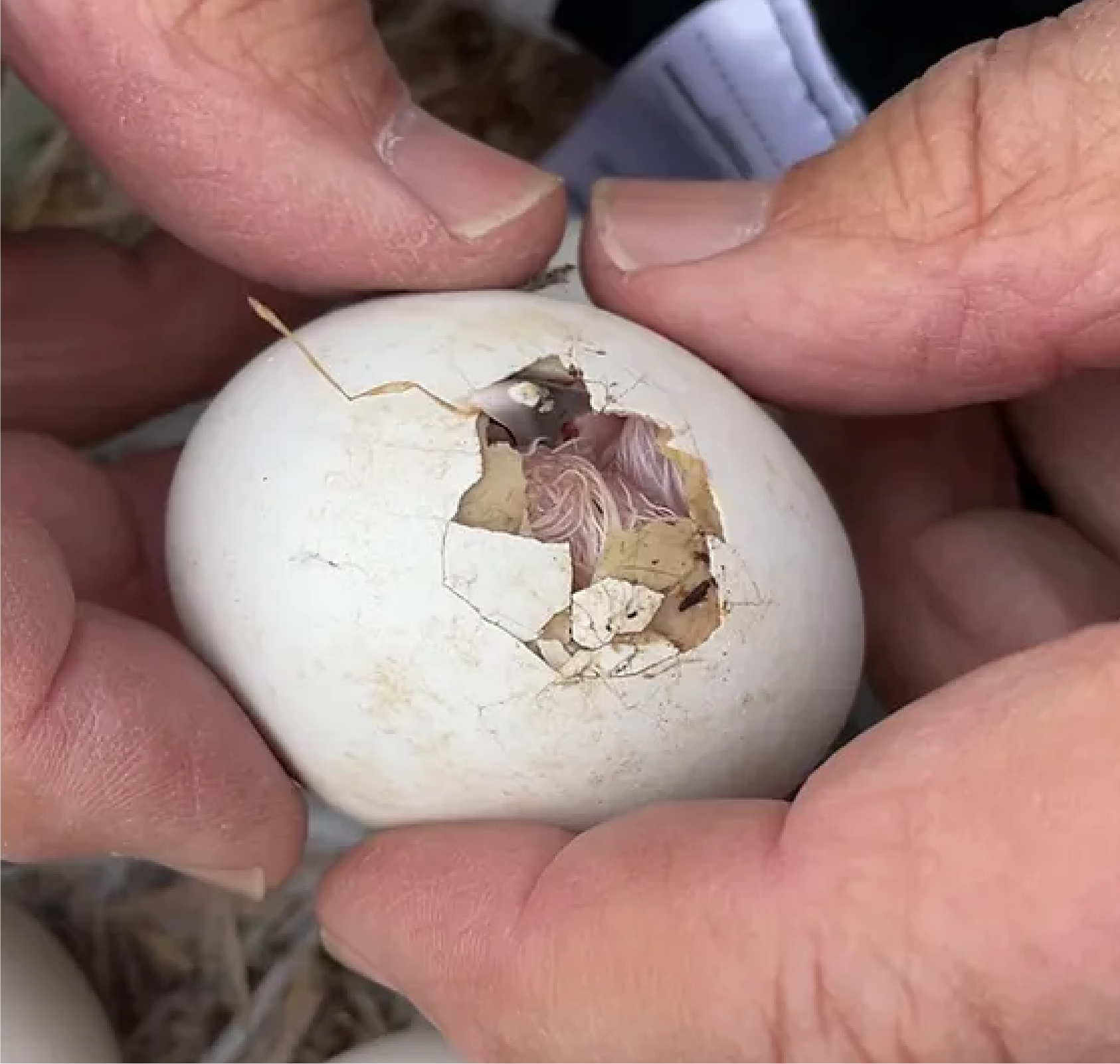
(2023) A PHOTOGRAPHIC GUIDE TO AGING AND SEXING SNOWY OWLS FROM HATCHING TO FLEDGING: Monitoring plumage and growth rates in Snowy Owl chicks
Authors: Solai S. Le Fay, Chloe Y. Hernandez, Denver W. Holt
To date, ORI has recorded 285 Snowy Owl nests and all observations have been compiled into comprehensive guides to aging and sexing snowy owl chicks. Here we use the techniques and data outlined in those publications, as well as refined methods and new observations from the 2022 nest, to create a photographic and descriptive guide for field researchers studying Snowy Owls.
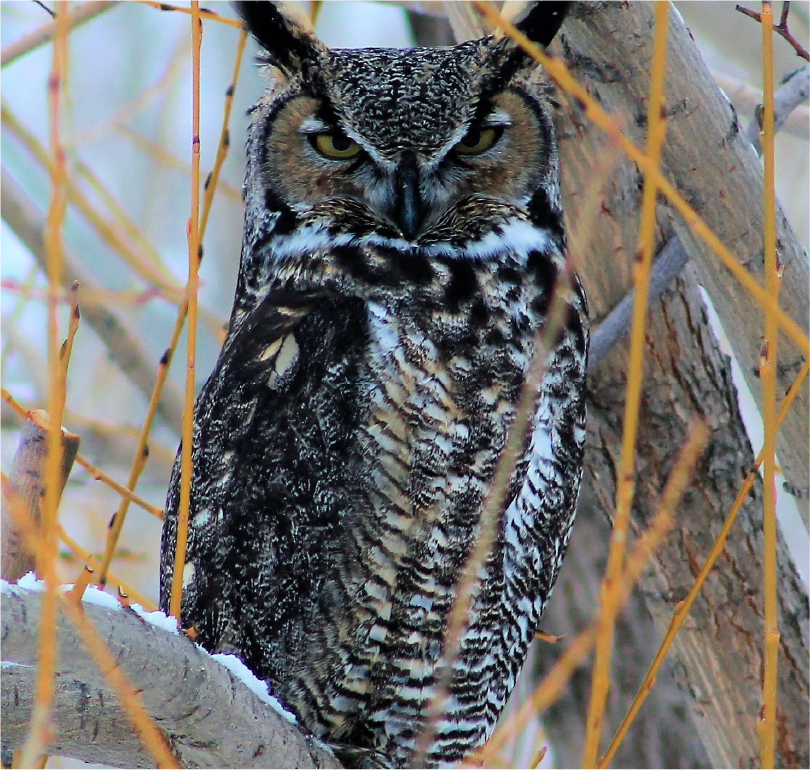
(2022) Great Horned Owl Live Cam Citizen Science Observations Report
Authors: Owl Research Institute
These volunteer efforts expanded our knowledge and understanding of these spectacular owls. We were able to create a new pathway for how research is conducted at ORI, and utilize the enthusiasm and interest of citizen scientists to contribute meaningful data to owl research and conservation.
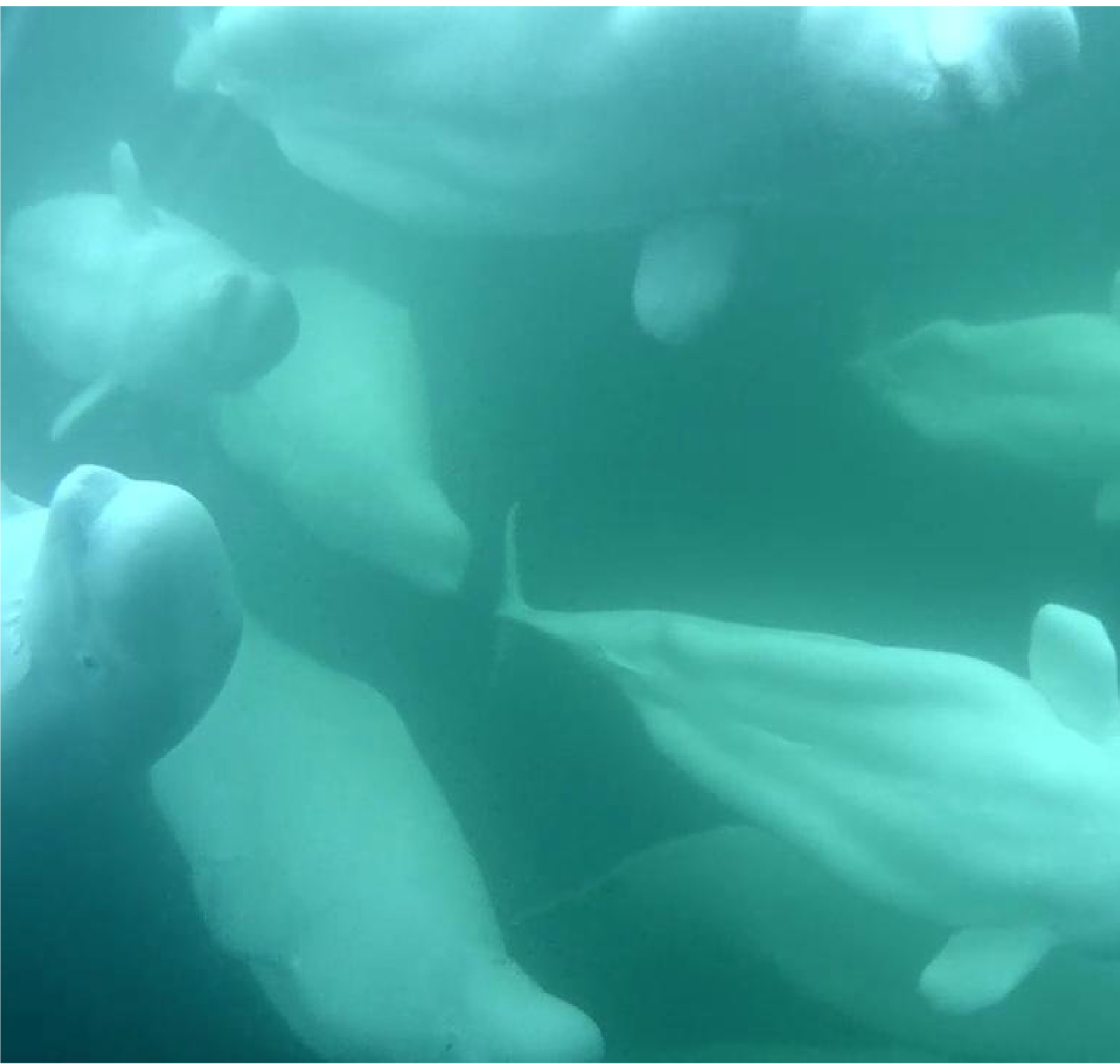
(2022) Citizen science and machine learning: Interdisciplinary approach to non-invasively monitoring a northern marine ecosystem
Authors: Ashleigh M. Westphal, C-Jae C. Breiter, Sarah Falcone, Najmeh Saffar, Ahmed B. Ashraf, Alysa G. McCall, Kieran McIver and Stephen D. Petersen
Here, we describe a successful interdisciplinary, collaborative approach to long-term monitoring of beluga whales (Delphinapterus leucas) and their marine ecosystem. Our approach includes extracting images from video data collected through partnerships with other organizations who live-stream educational nature content worldwide. This video has resulted in an average of 96,000 underwater images annually.
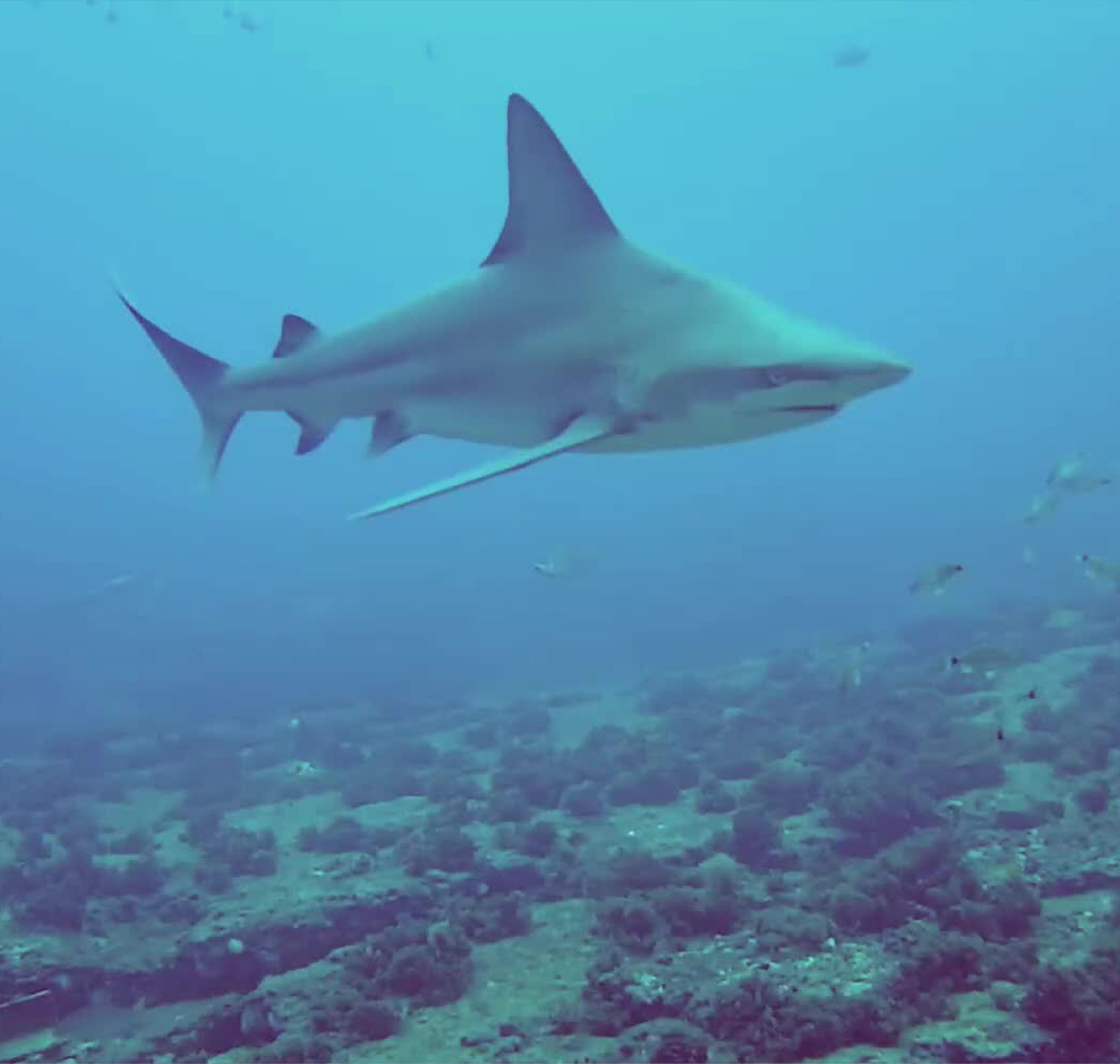
(2021) Association behavior between sand tiger sharks and round scad is driven by mesopredators
Authors: Carol Seals Price, Ara Lupton McClanahan, Erin J. Burge, Tanya Houppermans, Jason Holmberg
Indirect interactions between prey, mid-sized predators, and large predators in the ocean can be difficult to observe and investigate. By using webcam footage from Shark Cam, an underwater camera at Frying Pan Tower, approximately 50 km off Cape Fear, North Carolina, researchers investigated the association between round scad, a small fish, and sand tiger sharks, a large predator. Observations suggest that sharks provide a refuge for scad from middle-sized predators. Sharks might also benefit from the association if scad attract middle-sized fish that the sharks could eat.
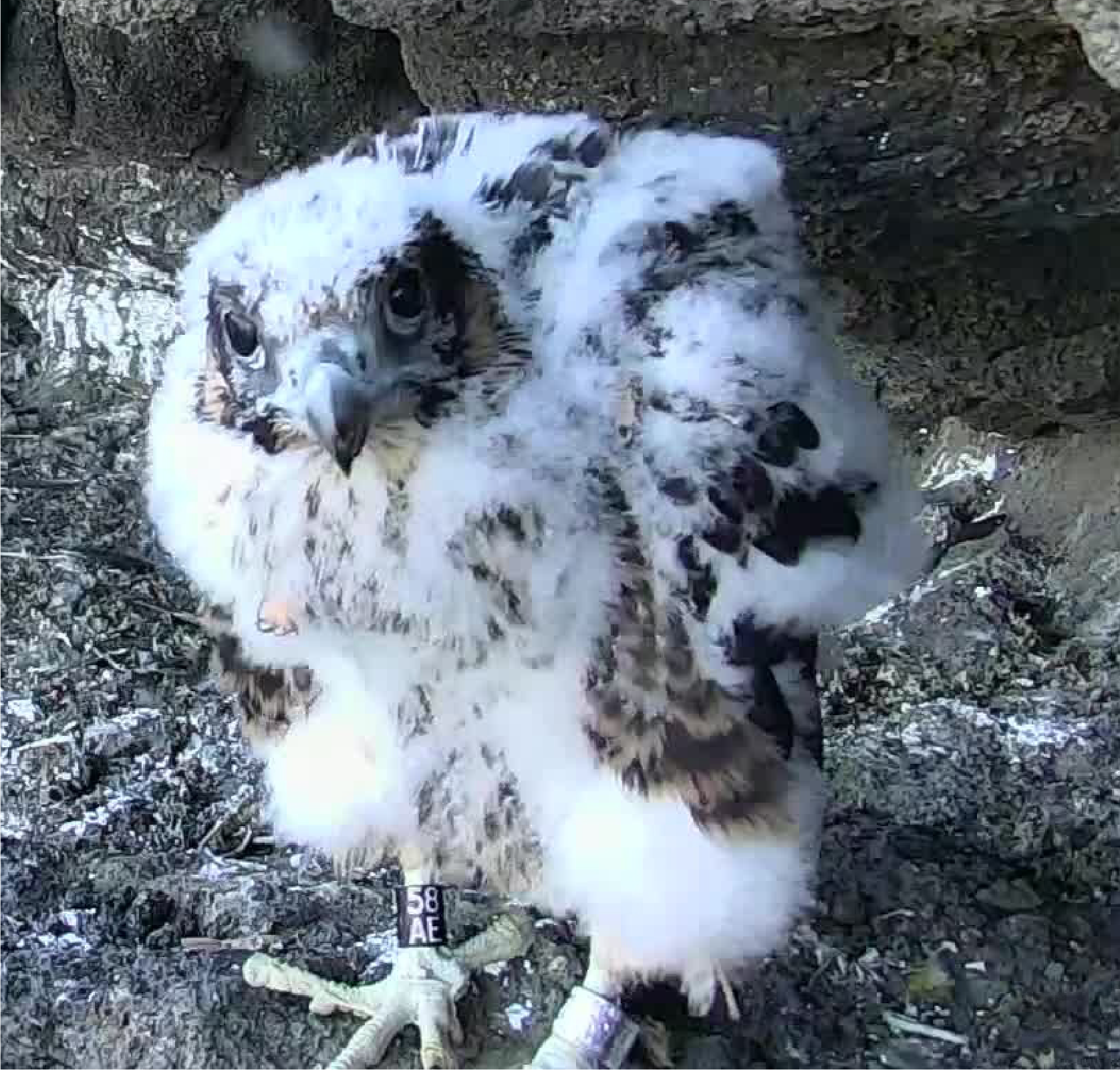
(2019) Peregrine falcons on the California Channel Islands, California.
Authors: Peter Sharpe and Nathan Melling
Not Available Online
This report details the Institute for Wildlife Studies’ (IWS) work to document the distribution and extent of nesting peregrine falcons in the Channel Islands during the 2019 field season. The introduction provides a short history of peregrine abundance in the 1900s, their decline due to DDT contamination, and recovery in recent decades. Through sight and by broadcasting peregrine calls, IWS surveyed 43 historical peregrine territories on the Channel Islands and located 5 previously unknown territories. Researchers confirmed 45 occupied territories with at least 4 occupied territories on each island surveyed. All 13 pairs laid eggs, 10 pairs hatched at least 1 chick, and 8 pairs successfully produced at least 1 chick >28 days of age. At least 36 chicks hatched on the Channel Islands in 2019.
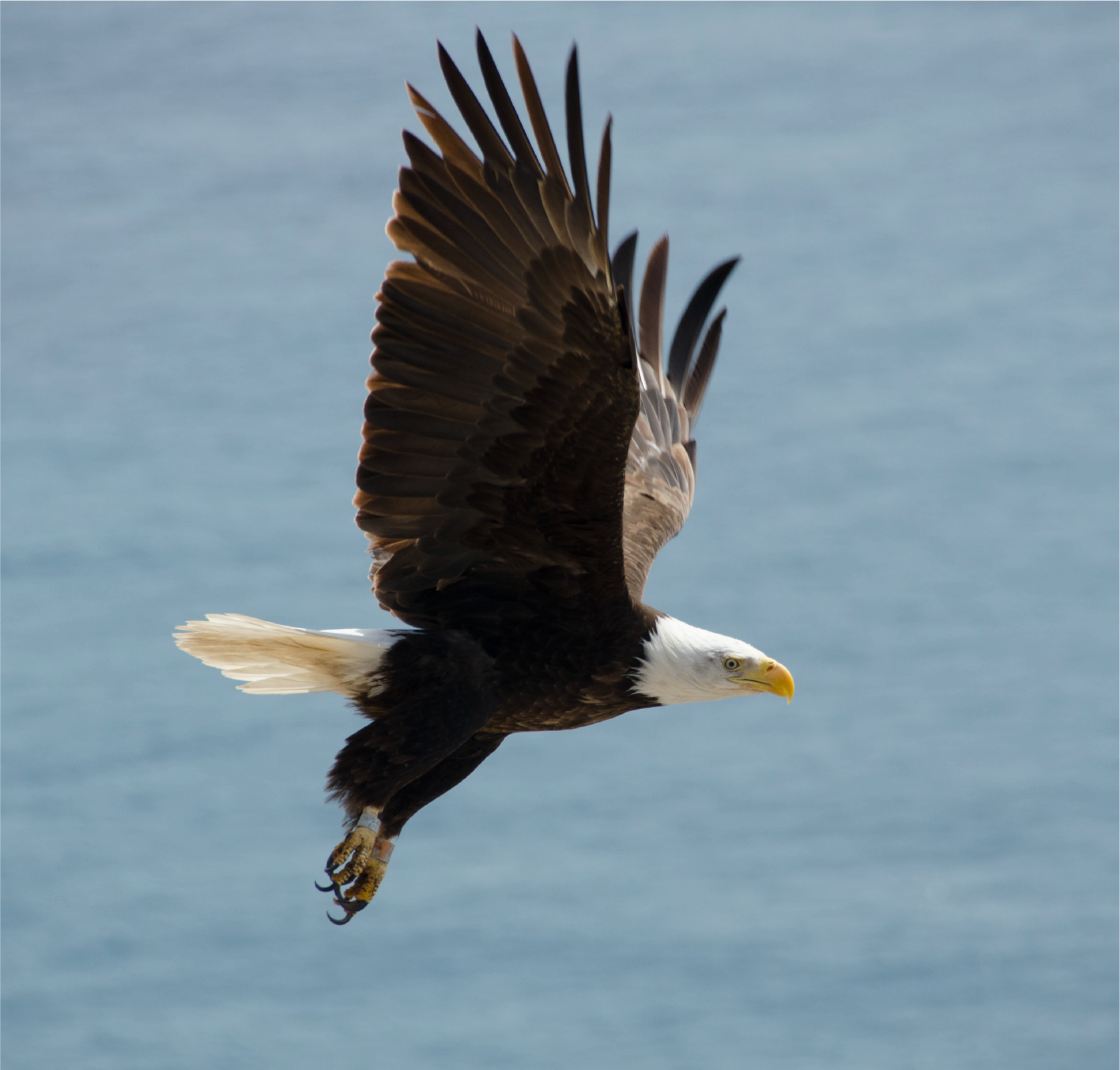
(2019) Bald eagle research on the California Channel Islands, January – December 2019.
Authors: Peter Sharpe and Nathan Melling
Not Availible Online
This report details the Institute for Wildlife Studies’ (IWS) work to document the distribution and extent of bald and golden eagles in the Channel Islands during the 2019 field season. Bald eagles were extirpated from the Channel Island by 1960 due to DDT contamination. Restoration efforts began in the 1980s and continues today. IWS conducted monthly or bi-monthly ground surveys of Catalina, Santa Cruz, and Santa Rosa to locate any new bald eagle nesting pairs. Other islands were surveyed opportunistically. Researchers documented 19 pairs of bald eagles across all the Channel Islands in 2019, all of which nested and laid a minimum of 33 eggs. A minimum of 25 chicks hatched (76% hatching success) and all but one of the known chicks fledged. The 24 fledged chicks was the highest productivity in the history of the restoration project.
Wildlife-viewing through Webcams
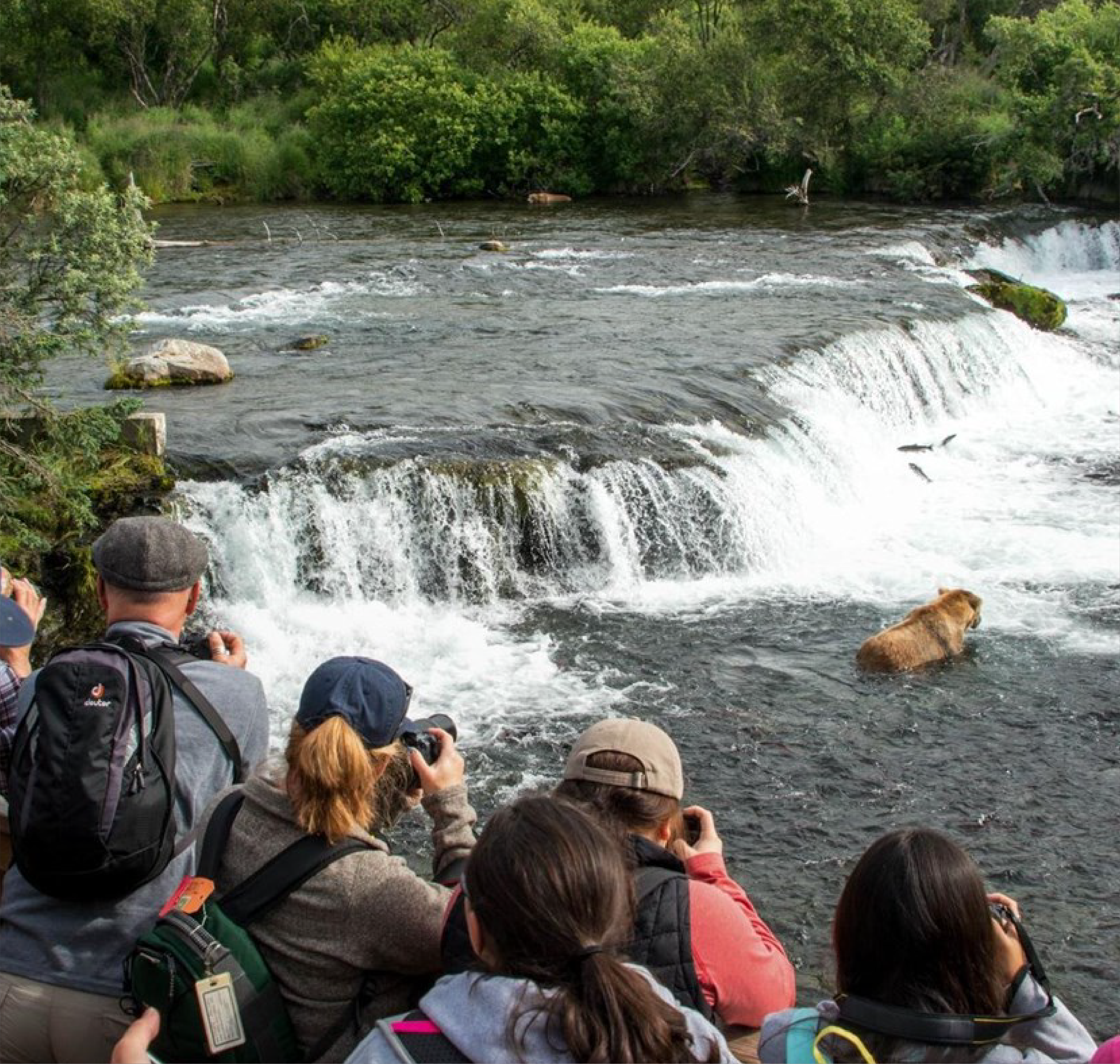
(2024) Brooks Camp Visitor Survey 2023: Perceptions on Bear Viewing, Congestion, Webcams, and the Value of Individual Brown Bears
Authors: Lynne Lewis, Michael Fitz, Leslie Richardson, Sandra Goff, and Laura Taylor
This report summarizes the results of a 2023 visitor survey at Brooks Camp, Katmai National Park, Alaska, one of the most famous and popular bear-viewing destinations in the world. Like many other U.S. national park areas, visitation at Brooks Camp has increased substantially in recent years. Visitors were largely pleased with their experience at Brooks Camp. The factors that contributed most positively to their experience were interactions with rangers, the bear orientation and safety talk, the number of bears to see, and the variety of places to view bears. However, the factors that contributed most negatively to their experience were the number of visitors and the number of people on the platforms. Most respondents reported that the number of other visitors at Brooks Camp affected them either negatively or very negatively. Respondents were broadly supportive of limits to the number of visitors if needed to protect visitors’ experiences, to protect visitors’ safety, to reduce environmental impacts, and to protect brown bears and other wild animals. Most respondents knew about and had watched the bear cams at Brooks River before they arrived. The bear cams undoubtedly influence visitation at Brooks Camp and reach a significant number of Brooks Camp visitors before their visit. Interpretation on the cams could be utilized further to extend the visiting experience beyond the time visitors are physically at Brooks Camp. The economics analysis of the survey results is ongoing. The environmental economists on the project intend to use the responses collected to estimate the value of an individual brown bear. These numbers can be useful for natural resource damage assessments and for benefit-cost analysis for rulemakings.
(2024) Virtual Bear Viewing as a Conservation Tool
Authors: Alysa G McCall, Bj Kirschhoffer, et. al.
While not a substitute for in-person visits, virtual bear cams provide people with access and connection to bears. Such meaningful experiences can help inspire conservation actions. These cams help tell bear stories which can help people become invested and fall in love with bears. With more love comes more inspiration to act on behalf of bears. Additionally, educators and science communicators use the cams as a platform to speak about climate change and other conservation issues, while informing the public about how to support bear conservation efforts.
(2023) The charisma premium: Iconic individuals and wildlife valuest
Authors: Christopher Costello, Lynne Lewis, John Lynham, and Leslie Richardson
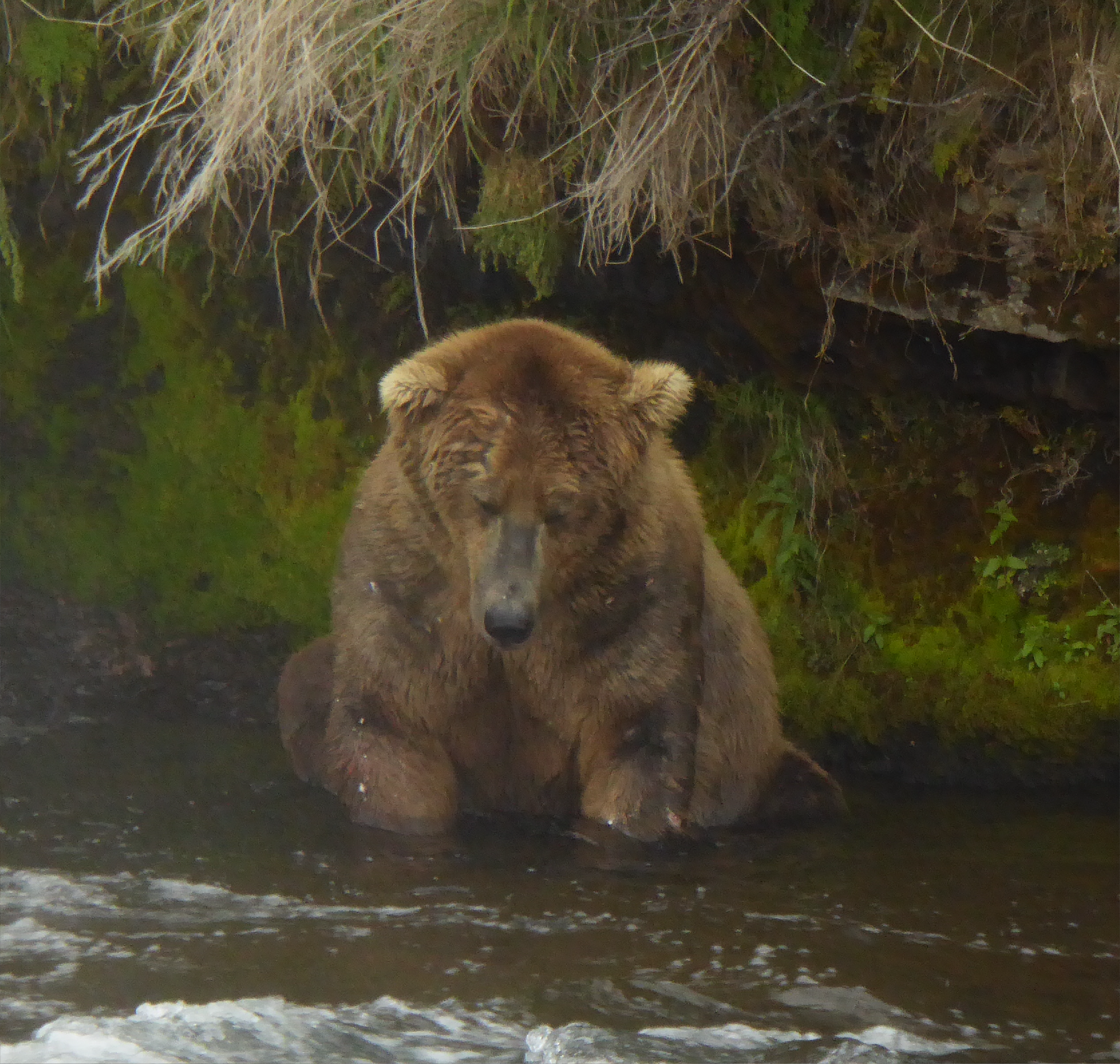
This paper presents a new theory concerning the value of individual wild animals. The authors conclude that individuals within a population are not interchangeable from a wildlife-viewing perspective. Known charismatic individuals raise the value of wildlife populations. The results have implications for government agencies when individuals within a population are poached or accidentally killed. This work builds off of data collected through surveys of the bear cam audience on explore.org in 2019 and 2020.
(2023) Reducing Anxiety Among Nurse Leaders Through Virtual Animal-Related Engagement
Authors: Lise Cooper, Mildred Ortu Kowalski, Carol M. Plantamura, Stephanie Chiu
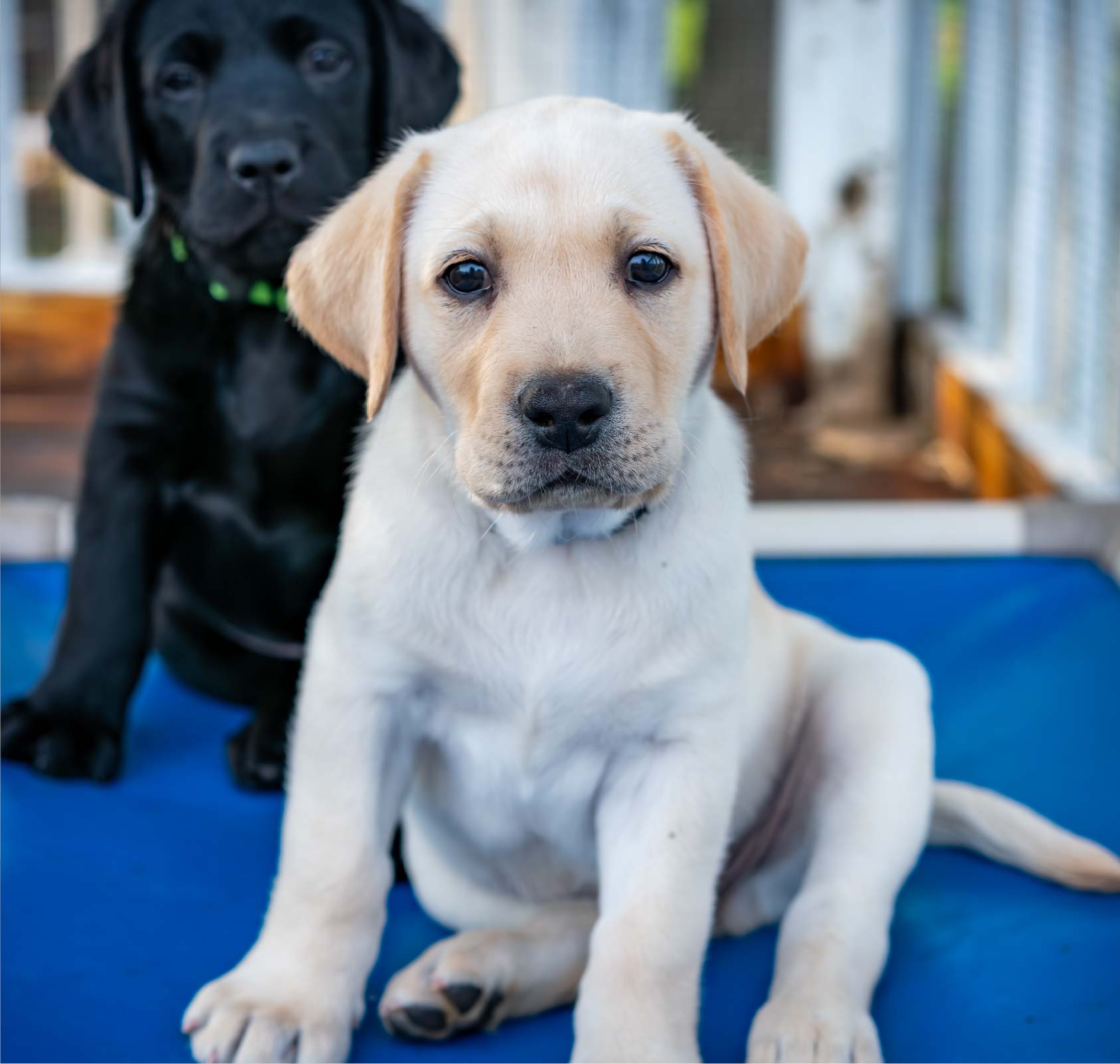
This project explored the relationship between virtual animal-related engagement (ARE) and anxiety in nurse leaders. A quality improvement project used a valid and reliable visual analog scale from 0 to 100 for self-reporting of anxiety in nurse leaders. Baseline and intervention group data were collected for 2 weeks at 15 and 5 minutes before the daily leadership huddle. Differences in anxiety levels 5 minutes before the huddle for baseline with the use of the intervention were significant. Within the intervention group, anxiety levels at 15 and 5 minutes were significant. Project outcomes suggest a difference in self-reported anxiety of nurse leaders based on ARE.
(2023) The Interface of wildlife and nature tourism.
Author: Rachel Shively
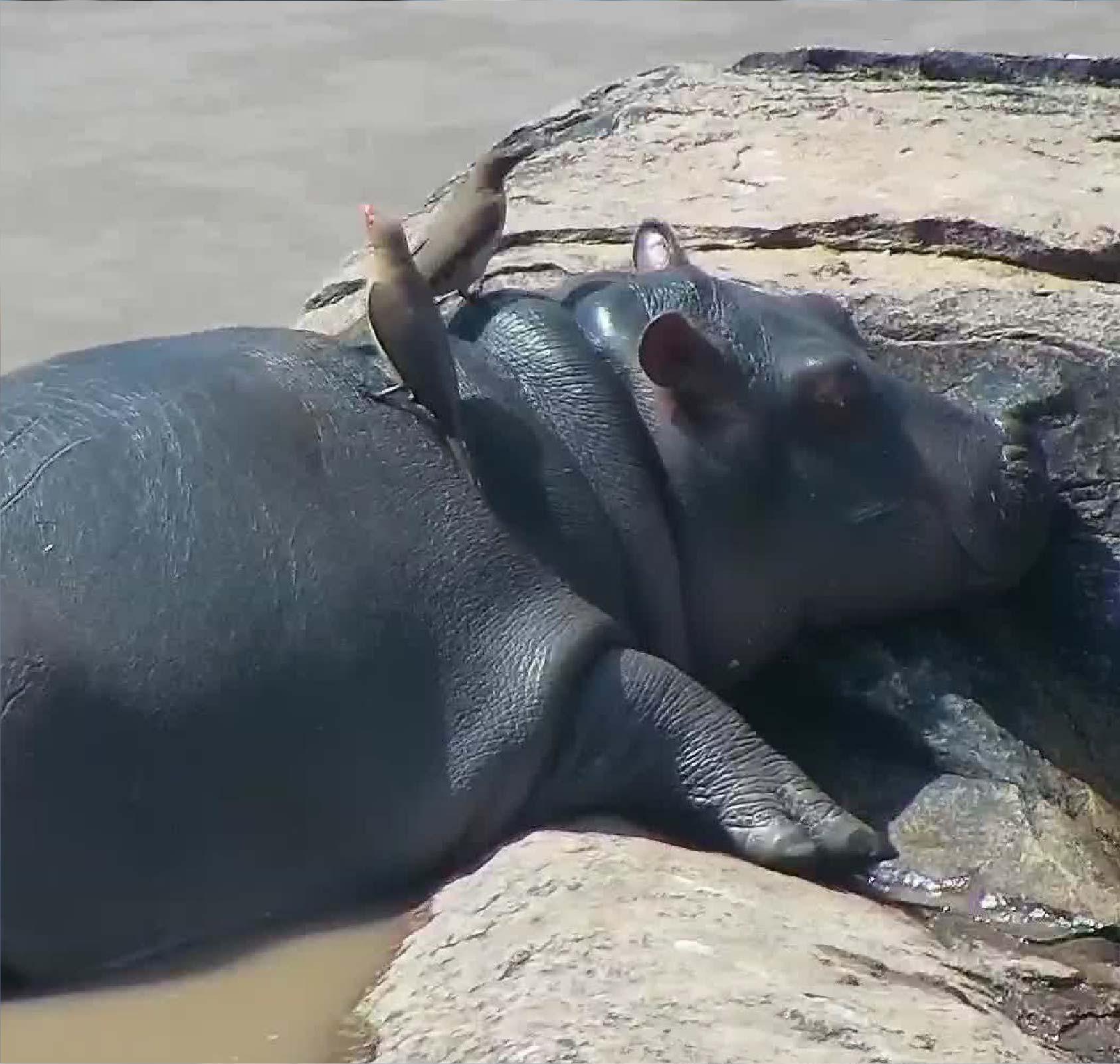
Chapter 3 of this PhD dissertation, “Motivations for participation in virtual wildlife tourism (Mpala),” helps identify the benefits and outcomes of virtual wildlife tourism. The author surveyed virtual safari participants who watched the webcams at the Mpala Research Centre in Kenya between January and April 2022. The survey aimed to learn more about webcam viewers’ experiences and motivations for participating as well as their values and behaviors compared to those of traditional nature tour participants. Viewers reported they were most motivated to watch MpalaLive by nature appreciation including motivations to feel close to nature, gain a better appreciation of nature, learn more about nature, and experience new things. Respondents also had intentions to engage in conservation behaviors. Viewers of MpalaLive are similar to the viewers of the Katmai brown bear cams in that both groups had high levels of conservation caring and indicated a willingness to alter their own behavior to benefit the wildlife they see on the MpalaLive webcams.
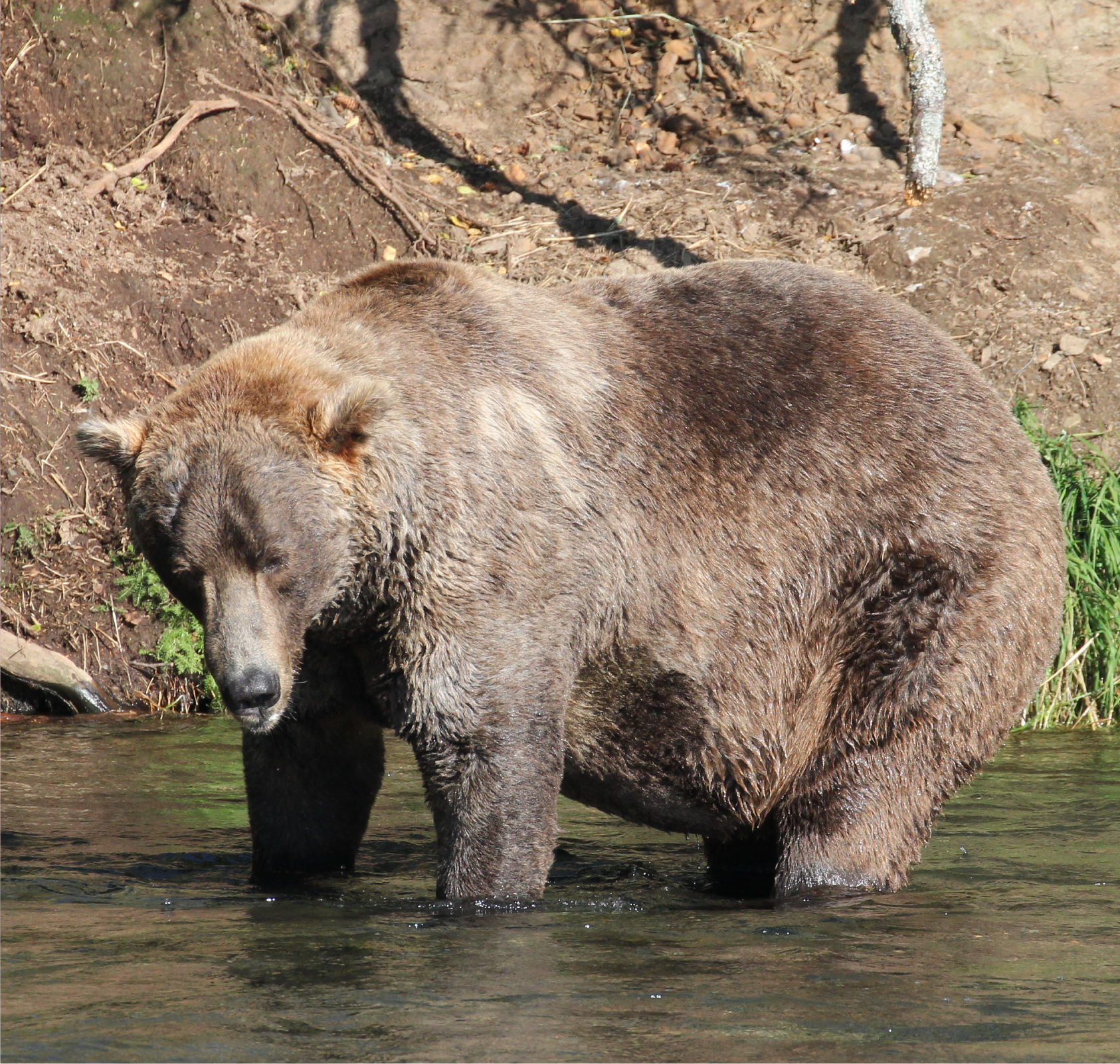
(2023) Is one the loneliest number? Impact of tourists' ability to identify individual bears on conservation outcomes.
Authors: Jeffrey Skibins, Leslie Richardson, Lynne Lewis, Mike Fitz
Most conservation efforts are focused at the species level. This article explores the relationship between tourists' ability to identify individual animals and conservation outcomes. The majority of respondents to an online survey of bear cam viewers on explore.org found that 70% of respondents indicated they could identify individual bears. Respondents who could identify individual bears had significantly higher scores for conservation outcomes (i.e., awareness, behavioral intention, and emotional connection). Furthermore, identifying an individual bear as a favorite yielded significantly higher scores for emotional connectivity and support for conservation programs. Helping the public identify and connect with individual animals provides a path to increase emotional connections with wildlife and support for wildlife conservation.
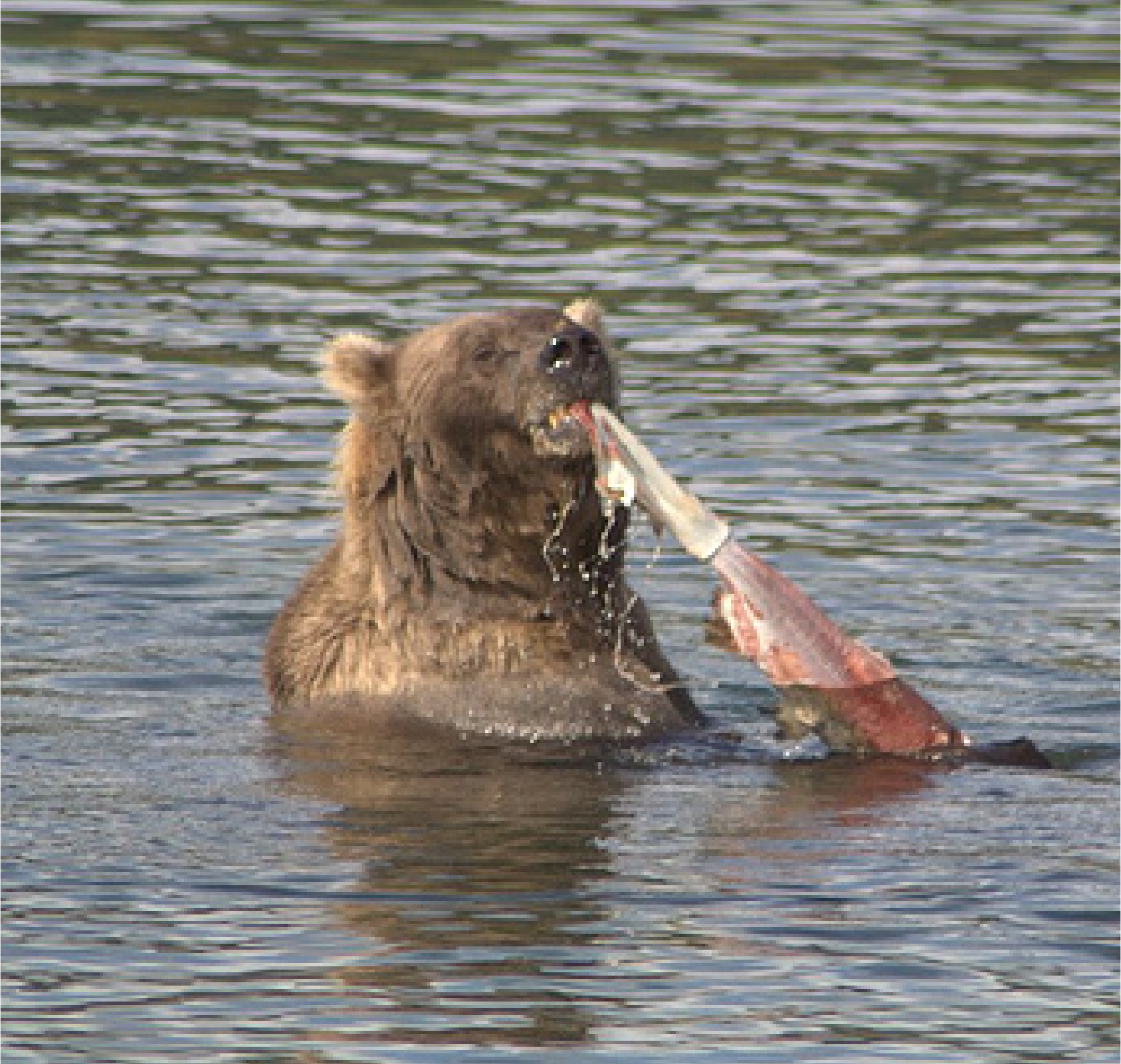
(2022) Digital modalities, nature, and quality of life: mental health and conservation benefits of watching bear cams.
Authors: Jeffrey Skibins, Bhibha Das, Gwyneth Schuler
How might watching wildlife-focused webcams affect mental health and attitudes toward conservation? Data from an online survey found that webcam viewers reported improvements in mental health and positive changes in perceptions of nature and support for conservation. Respondents noted that watching webcams of brown bears in Katmai National Park improved quality of life, offered relaxation benefits, and reduced mental stress. Viewers also noted that the webcams offered improvements in anxiety, depression, and stress; found educational value in the cams; and that the webcams changed their perceptions of nature.
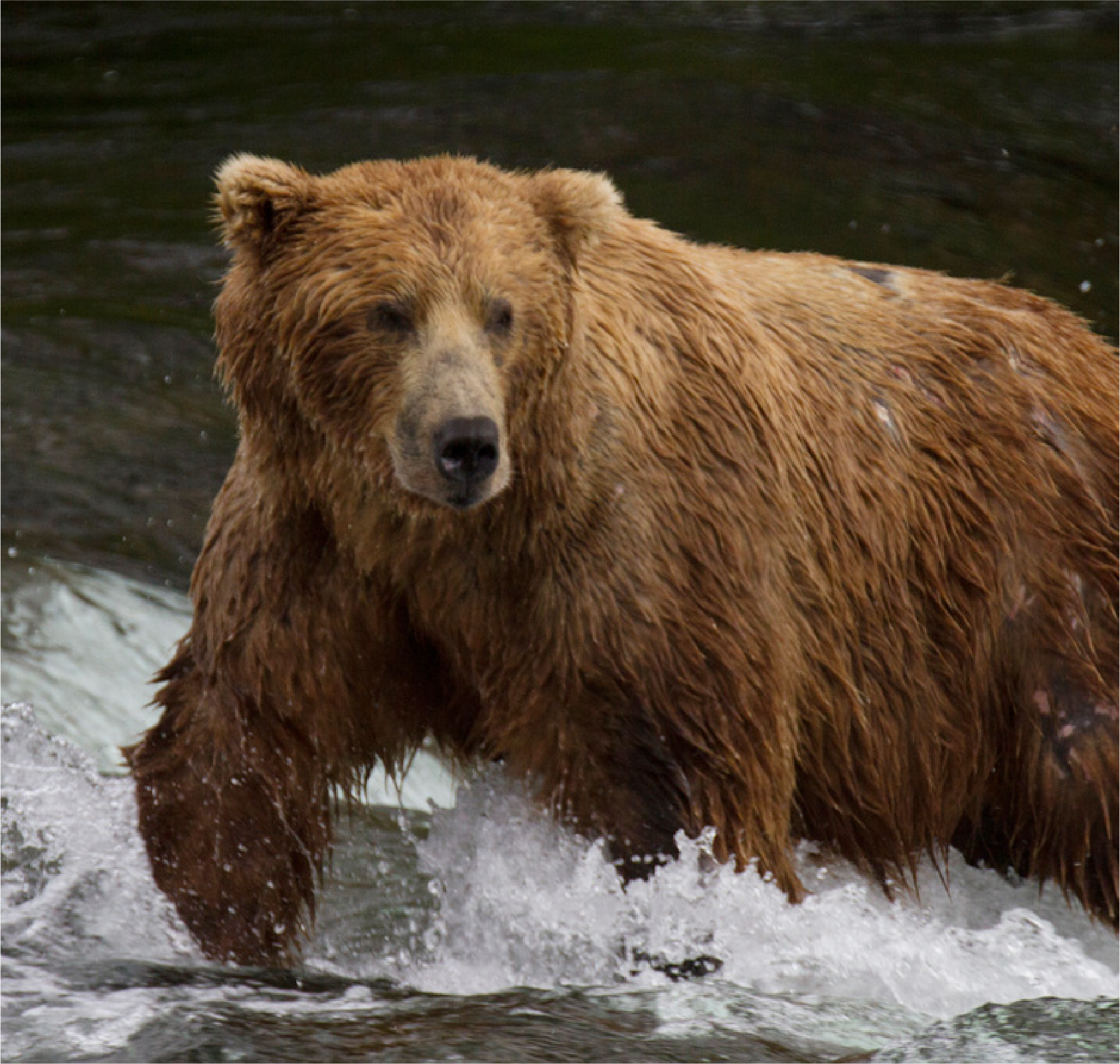
(2021) Getting to Know You: Individual Animals, Wildlife Webcams, and Willingness to Pay for Brown Bear Preservation
Authors: Leslie Richardson, Lynne Lewis
What is the value of an individual wild brown bear? The vast majority of wildlife valuation studies focuses on entire populations or substantial changes in those populations. Compensation for poaching incidents or accidental death of individual animals, as well as analyses of regulatory actions affecting a small number of animals, require economic value estimates for individual animals that are almost entirely missing from the economics literature. This study presents one of the first calculations of the value on an individual animal by focusing on “virtual tourists” who watch live webcams of brown bears in Katmai National Park. Results suggest that preservation values for individual animals can be quite high. The range of preservation values for one brown bear is estimated at $70 – $140 per person. A very conservative aggregation of the sample of survey respondents reveals that the minimum value of an individual brown bear is in the hundreds of thousands of dollars ($260,000 in 2019). Scaled up to match the true size of the online audience (millions of people), the value of individual brown bear is considerably higher.
(2018) A method to value nature-related webcam viewing: the value of virtual use with application to brown bear webcam viewing.
Authors: John Loomis, Leslie Richardson, Chris Huber, Jeffrey Skibins, Ryan Sharp
This study documented that watching the webcams at Brooks River in Katmai National Park generates about $27 million in consumer surplus per year. This aggregate webcam viewing value is more than twice the aggregate onsite viewing value. Compared to the onsite bear-viewing experience—which is limited by expense, time, and the capacity of park infrastructure among other restrictions—additional people watching the webcams in Katmai does not use up or displace others from doing the same. The webcam viewing value generates about twice the total consumer surplus of on-site viewing value.
(2018) Binge watching bears: efficacy of real vs. virtual flagship exposure.
Authors: Jeffrey Skibins, Ryan Sharp
Webcams are an egalitarian way to expose people to wildlife and nature. But, does exposure to wildlife, particularly a charismatic species like the brown bear, through webcams generate the same emotions and sense of care toward wildlife as seeing wildlife in person? This study found that online viewing of brown bears was highly effective in generating positive emotional connections and support for conservation within viewers. Webcam viewers’ level of emotional connections and support for conservation was on par with or exceeded that of onsite visitors.

(2017) Online and Onsite brown bear viewing—Influence on visitors’ support for conservation-based management at Katmai National Park and Preserve. Report delivered to management staff at the Katmai National Park and Preserve, Department of Interior, National Park Service. In fulfillment of permit KATM-2016-SCI-0006.
Ryan Sharp, Jeffrey Skibins, Julie Sharp/strong>
Not Availible Online
This report for the National Park Service discusses the results of a survey of the onsite and online bear viewing experience at Katmai National Park, and its influence on visitors’ support for conservation. Online and onsite visitors agreed that their interest in conserving wildlife increased because of viewing the brown bears. Online visitors agreed more strongly with limiting visitation, access, bear viewing locations, and recreational activities if the actions had a positive impact on brown bears compared to onsite visitors. However, both online and onsite visitors were supportive of limiting their viewing experience if it benefited the bears.
For research inquiries email pr@explore.org. Explore is a small team and may not be able to respond to every inquiry. Thank you for understanding